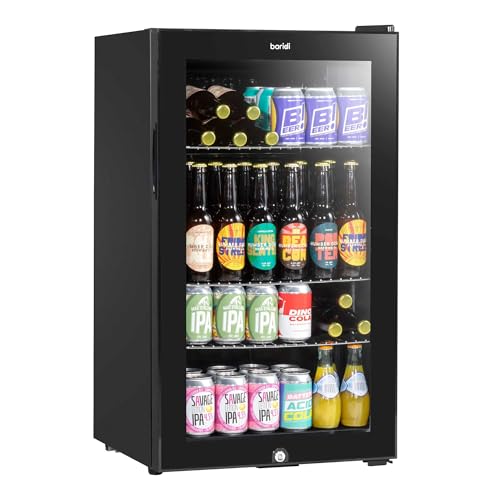
The Thermoelectric Wine Fridge: A Comprehensive Guide
Wine enthusiasts comprehend the importance of temperature control in preserving the quality and flavor of their favorite vintages. A thermoelectric wine fridge offers an ideal service by utilizing innovative innovation to preserve a consistent environment for wine storage. This article will look into the features, benefits, disadvantages, and skilled recommendations related to thermoelectric wine fridges, ensuring that anybody thinking about wine storage is educated.
What is a Thermoelectric Wine Fridge?
A thermoelectric wine fridge utilizes thermoelectric cooling innovation, known for its compact design and energy effectiveness. Rather of standard compressor systems, thermoelectric coolers use the Peltier result, which creates a temperature level difference in between the two sides of a heat-conducting element. This procedure permits the wine fridge to cool without the mechanical noise commonly discovered in compressor designs.
Key Features of Thermoelectric Wine Fridges
| Feature | Description |
|---|---|
| Cooling Technology | Utilizes thermoelectric cooling (Peltier impact) |
| Noise Level | Operates quietly, making it ideal for home environments |
| Energy Efficiency | Consumes less energy compared to standard compressor fridges |
| Temperature level Range | Usually preserves temperature levels in between 46 ° F to 66 ° F( |
| 8 ° C to 18 ° C)Size | Variations Readily available in numerous sizes, from small countertop systems to bigger cabinets |
| Temperature Control | Typically features digital screens for accurate temperature level settings |
Benefits of Using a Thermoelectric Wine Fridge
Thermoelectric wine fridges provide numerous benefits, particularly suited to casual wine drinkers and severe lovers alike. Below are some engaging advantages:
- Quiet Operation: The absence of mechanical parts guarantees that thermoelectric designs run quietly, permitting a peaceful environment.
- Energy Efficient: These fridges decrease energy intake, making them a greener choice for eco-conscious customers.
- Compact Size: The streamlined design of thermoelectric wine fridges makes them ideal for smaller sized areas or kitchen countertops.
- Temperature level Stability: They offer consistent cooling, essential for keeping the stability of saved red wines.
- Less Vibration: Unlike compressor designs, thermoelectric fridges produce minimal vibration, which is helpful for wine as it prevents troubling sediment.
Downsides of Thermoelectric Wine Fridges
While the benefits are numerous, it's crucial to recognize prospective disadvantages of thermoelectric wine fridges:
- Limited Cooling Capacity: These units may not have the ability to cool to very low temperatures, which might be a drawback in extremely hot environments.
- Smaller sized Storage: Thermoelectric models frequently have a smaller interior capability compared to traditional compressor fridges, limiting the variety of bottles stored.
- Performance in Heat: They might have a hard time to preserve ideal temperatures in high ambient temperatures, particularly in non-climate-controlled environments.
Choosing the Right Thermoelectric Wine Fridge
When looking for the best thermoelectric wine fridge, think about the following elements:
- Size and Capacity: Determine how numerous bottles you need to save and the area readily available in your house.
- Temperature level Range: Look for designs that permit an appropriate temperature level range ideal for the types of wine you generally store.
- Design and Aesthetics: Evaluate the fridge's design, as you'll want it to match your interior decoration.
- Budget plan: Set a spending plan that lines up with the functions and quality you desire.
- Brand Reputation: Research brand names known for dependability and customer support.
Popular Brands of Thermoelectric Wine Fridges
- Ivation
- Haier
- Fond memories
- Magic Chef
- EdgeStar
FAQs about Thermoelectric Wine Fridges
What is the ideal temperature level to store red and white wine?
- Red Wine: Ideally saved at 60 ° F to 68 ° F(15 ° C to 20 °
- C). Gewurztraminer: Typically best kept in between 45 ° F to 55 ° F(7
° C to 13 ° C). Can I store champagne in a thermoelectric wine fridge? Yes, sparkling wine can be stored in thermoelectric wine fridges, but guarantee the temperature level is kept within the ideal range (45 ° F to
50 ° F ). Are thermoelectric wine fridges energy-efficient?
Yes, thermoelectric wine fridges are usually more energy-efficient than compressor designs. They consume less energy due to their design.
How do I keep my thermoelectric wine fridge?
Regularly clean the interior with moderate soap and water, make sure correct airflow around the system, and avoid placing it in direct sunlight or heat sources.
Can I operate a thermoelectric wine fridge in high-temperature environments?
While thermoelectric wine fridges are energy-efficient, their performance can be hindered if ambient temperature levels are consistently high (above 77 ° F or 25 ° C).
Thermoelectric wine fridges are a promising choice for wine lovers wanting to save their precious bottles under optimal conditions. With their quiet operation, energy performance, and elegant design, they cater to a vast array of choices and available areas. However, Frydge need to weigh the benefits versus the drawbacks, ensuring they select a design matched to their specific wine storage requirements. By remembering the vital functions and recommendations discussed above, anyone can make an informed decision and, ultimately, enjoy their red wines at their best.